Research framework

From material mechanisms to clinical needs

Four connected research themes and the projects that support them.

01

Protein-materials interface

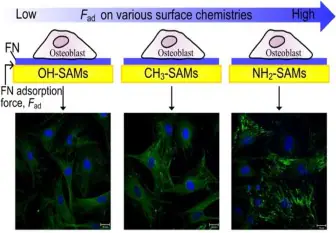
       In this project, self-assembled monolayer (SAM) and nanofiber scaffolds are used as model surfaces and scaffolds to systematically study surface chemistry, scaffold space structure and stiffness, and external load stress (fluid shear stress, mechanical tensile stress) for protein adsorption. (The focus is on the conformational changes, adsorption strength, surface energy of the protein layer, etc.), and then understand the mechanism of the shape of cells (osteoblasts, mesenchymal stem cells, etc.), and the material and mechanical mechanisms of cell shape control cell fate Ultimately guide the design and manufacture of biomaterials, scaffolds or bioreactors to form functional tissues.
02

Bioinspired / smart artificial bone

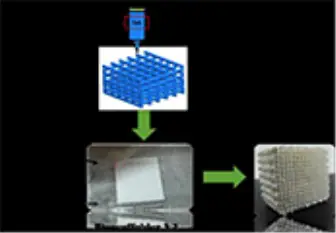
        This project is aimed at the problems of nonunion and long time in bone repair and regeneration, combined with knowledge in the fileds of biomaterials, biomechanics, cell biology and medicine, and develop basic and applied research based on bioinspired/smart artificial bones, in order to understand the causes of related diseases more deeply, and develop new bone repair technologies.

03

Biomaterials and tissue engineering

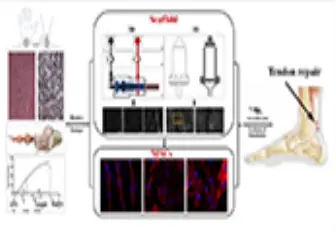
        This project aims to construct the oriented 2D and 3D biomimetic tendon tissues using the main structural proteins of the tendon tissue (type I collagen fibers), and to explore its regulation mechanism on stem cell fate and its repair effect in vivoto provide a possibility for effectively repair defected tissue by tissue engineering tendon composed of scaffold material, stem cell and growth factors.

04

Osteoarticular system soft tissue repair

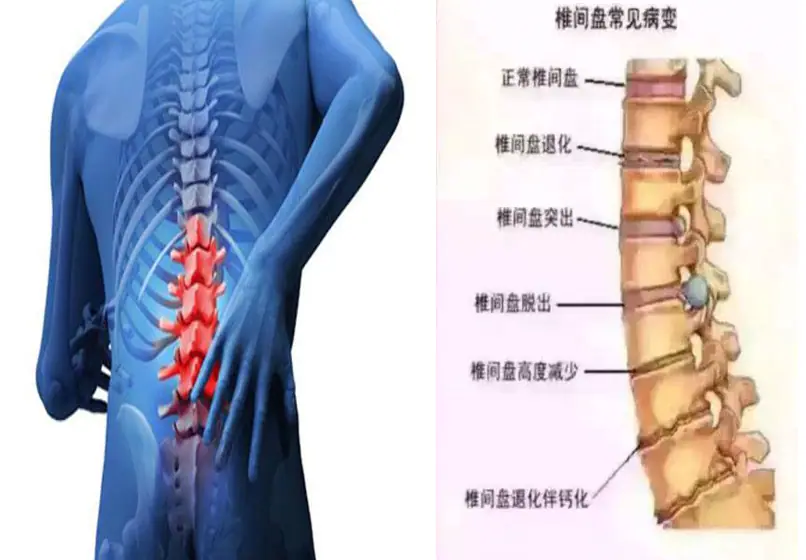
        This project aims to explore the effects of mechanical instability on the soft tissue inflammation and angiogenesis of bone and joint system and its mechanism, and to elucidate its role in the soft tissue degeneration of the bone and joint system and the mechanism of force biology. Therefore, the design of bionic scaffolds was optimized, and the effects of scaffold implantation and mechanical intervention on the mechanical instability of degenerative tissue repair and its mechanism were explored.

02

Selected projects

0